Treat the menu name as a starting point
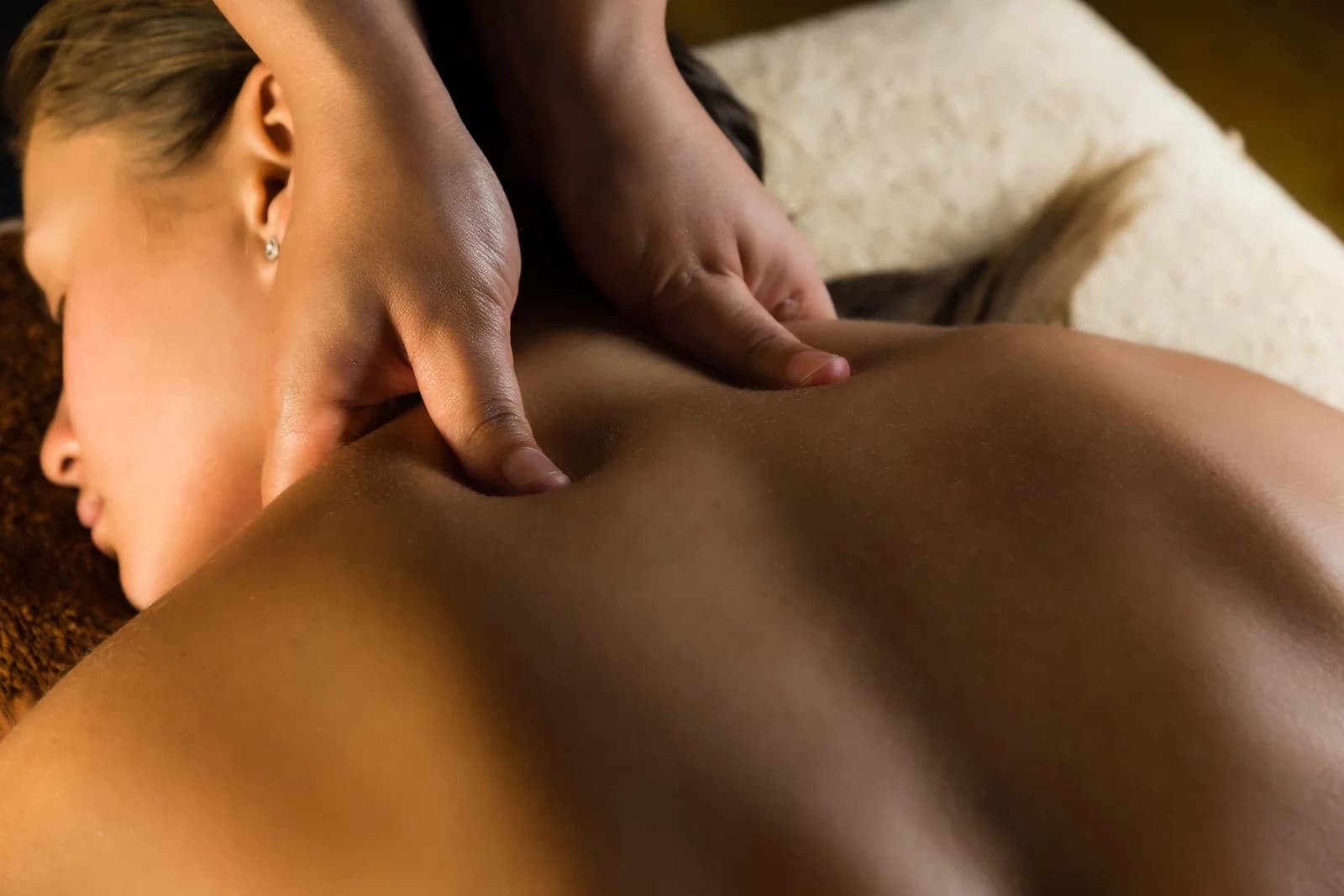
If you are looking for office syndrome massage in Phuket, begin by describing your desk-work habits, the areas you want attention on and the pressure you find comfortable. At Royal Wellness Spa, Office Syndrome Relief is a menu name for a treatment focused on the neck, shoulders and back, with scalp work and a warm eye compress. It is a spa service, not a diagnosis or a promise to correct the cause of pain.
The term “office syndrome” is often used broadly for discomfort associated with desk-based work. It does not tell a therapist exactly what is happening in your body. A clear description of your experience is more useful than a label: where you notice tension, which movements bother you and whether you have received medical advice about it.
Start with your working day
A laptop balanced on a small table, several hours of video calls or a long evening answering messages can leave you wanting a break from the same position. Even while traveling, work can follow you into the quiet parts of the day. A spa appointment can be an intentional pause from those demands, provided the selected treatment is suitable for you.
Think about what you want the session to emphasize. Do you want a general relaxing massage with some shoulder attention, or a more focused appointment? Would scalp contact and an eye compress feel pleasant, or would you prefer to skip them? These questions help distinguish a treatment choice from a vague wish to feel completely reset.
You do not need to arrive with a technical explanation of your posture. Avoid diagnosing yourself from a photograph or assuming every tight feeling comes from the same cause. If symptoms are persistent, worsening or accompanied by other changes, seek appropriate assessment rather than repeatedly booking stronger massage.
Compare two relevant menu options
Royal Wellness offers both Office Syndrome Relief and Posture Revival. Their names sound related, but the listed experiences differ. Read the inclusions instead of assuming one is simply a longer version of the other.
| Option | Menu emphasis | Useful booking question |
|---|---|---|
| Office Syndrome Relief | Neck, shoulders and back, plus scalp work and a warm eye compress | Which areas receive attention in my chosen duration? |
| Posture Revival | Broader back, shoulder, hip and lower-back work with stretching | How much assisted movement is included? |
| Aroma Relaxation Massage | A full-body oil-based relaxation experience | Can I discuss gentle attention around my shoulders? |
The Office Syndrome Relief page lists different durations, with some inclusions varying by length. Check those details before selecting a slot. Posture Revival includes stretching, which makes it worth discussing your movement preferences in advance.
Give practical feedback about pressure
A familiar mistake is to ask for very strong pressure because the shoulders feel tense. That request may not describe what you will actually enjoy. Start with a comfortable level and ask for changes as needed. You can want focused work without wanting every movement to be intense.
Use specific feedback: “That area needs less pressure,” “Please avoid the base of my neck,” or “I would prefer no stretching today.” If you want a technique explained, ask before it begins. The therapist’s hands cannot tell them everything about your comfort, and staying silent is not a requirement of a relaxing treatment.
It is also reasonable to mention the position you find comfortable on the couch. Let the team know if lying face down or turning your head is difficult. Discuss available adjustments before booking if positioning is a major concern.
Know the limits of a spa appointment
Massage should not replace medical care or an assessment of unexplained symptoms. If you have a recent injury, new weakness, numbness or worsening pain, seek professional advice before treating the issue as routine desk tension. Tell the therapist about relevant conditions and restrictions even when the appointment is mainly for relaxation.
Healthdirect’s massage therapy guide explains the importance of discussing health history and keeping massage complementary to appropriate healthcare. An article or treatment menu cannot determine which technique is suitable for a particular diagnosis.
Be cautious about promises that a single session will permanently fix posture, remove a structural problem or eliminate the effects of long working hours. A more useful expectation is a clearly explained spa experience that matches your preferences, with any medical questions handled by the right professional.

Make room for a real break from work
Try to finish the urgent task before you arrive rather than spending the consultation watching incoming notifications. If your schedule allows, leave time afterward before the next call. That breathing room is a practical part of enjoying the appointment, independent of any treatment technique.
Tell the team whether you would prefer a quiet session. You can still speak up about comfort while choosing not to hold a conversation. If you are sensitive to scents or warmth, mention that before oil or an eye compress is used.
Outside the spa, consider whether your daily routine gives you opportunities to change position and take breaks. If work repeatedly brings on symptoms, professional advice about the problem and your working setup may be more useful than relying on an occasional appointment alone. The spa visit can be one enjoyable part of your day, without carrying the job of solving everything about it.
Questions from desk-based visitors
Is Office Syndrome Relief a medical treatment?
It is listed as a spa treatment. Its name does not establish a medical diagnosis, and it should not be used as a substitute for appropriate assessment or treatment.
Should I choose Office Syndrome Relief or Posture Revival?
Compare the focus areas and the amount of stretching. Explain your preferences and ask which current option best fits them; do not assume that a more ambitious name means a better result.
Can I ask to skip the eye compress?
Tell the team about that preference before confirming the appointment and ask which adjustments are available. The same applies to scalp contact, fragrance and assisted movement.
How can I book a focused session?
Review Office Syndrome Relief, read the massage selection guide, and book your appointment with clear notes about comfort, focus areas and anything to avoid.