Plan a pause, not a cure for jet lag
A massage after a long flight to Phuket can be a pleasant way to slow down if you feel well enough for a treatment. Choose a comfortable session, leave a generous buffer after arrival and explain your travel day to the therapist. Do not treat massage as a cure for jet lag or as a way to manage unexplained leg swelling. Your first priority is arriving, settling in and checking how you actually feel.
Jet lag is more specific than being tired after travel. The CDC describes it as a mismatch between your internal clock and the local time after crossing time zones. A relaxing appointment may fit into your first day, but it does not replace sleep planning or medical advice when you need it.
Give your arrival day some flexibility
An arrival time is not an appointment-ready time. Immigration, baggage collection, the journey into Phuket Town and getting settled all take time. Delays can also change the shape of the day. Avoid booking a treatment so close to landing that a late bag makes you rush through everything afterward.
If you would like a first-day session, ask the spa about available times and the applicable arrangements if your journey is delayed. Do not assume a cancellation or rescheduling policy from another business. Choose a slot you can realistically reach and keep the contact details handy.
You may decide that the following day is more appealing once you arrive. Feeling exhausted, unwell or unable to enjoy the appointment is a reason to reconsider the timing. The most relaxing plan is sometimes the one with fewer reservations in it.
Choose by comfort and preference
After hours of sitting, you may want gentle attention to your feet, legs or shoulders, or simply a quiet oil-based session. Tell the team what you would enjoy rather than asking them to “fix the flight.” This helps keep the conversation specific and makes it easier to choose an appropriate treatment.
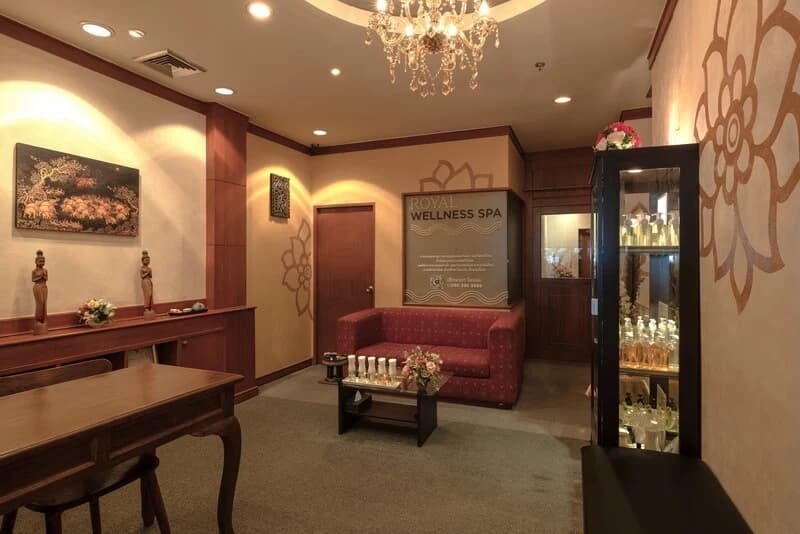
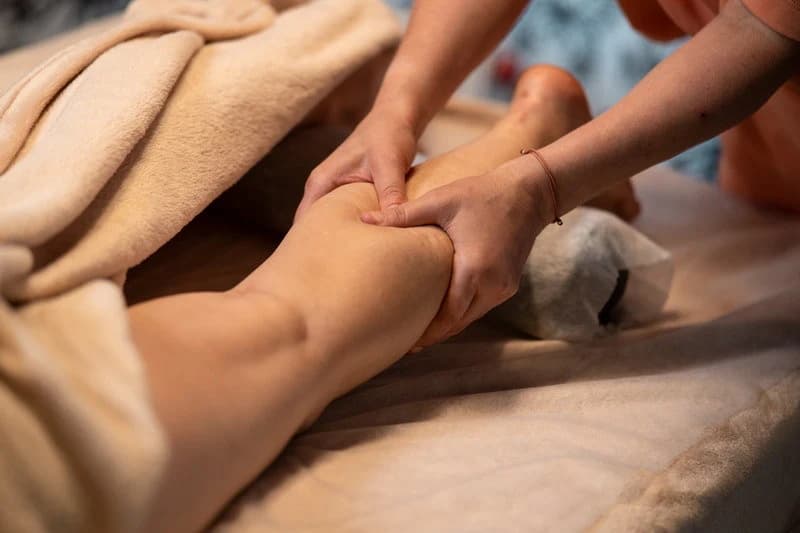
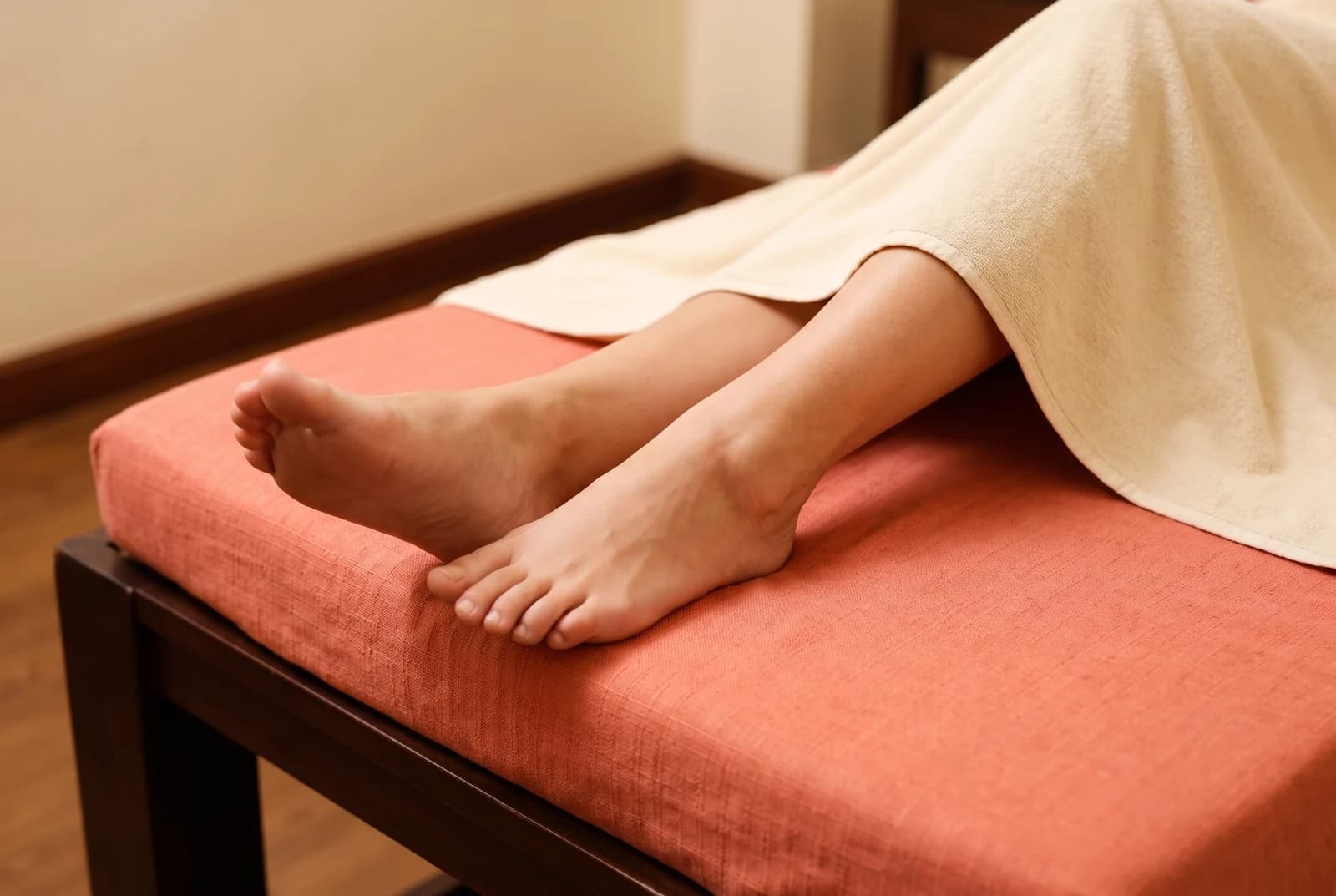
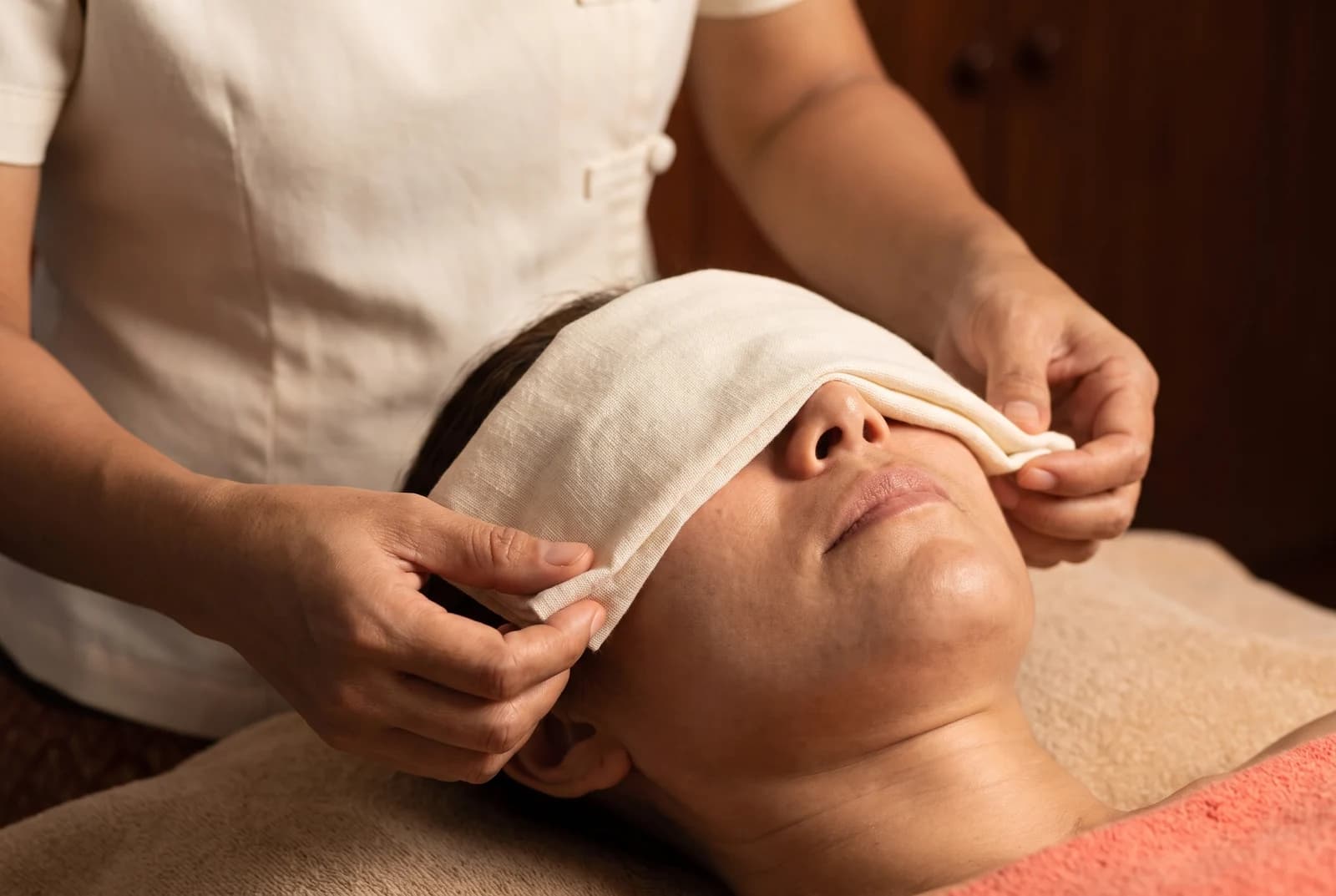
At Royal Wellness Spa, Voyage Reset is the travel-focused option in the menu. It lists a foot ritual, leg-focused work and a warm eye compress among its components. Ask the team to explain the sequence, pressure and suitability for you. The menu description is not a medical assessment, and techniques listed in a spa package should not be interpreted as treatment for a suspected circulation problem.
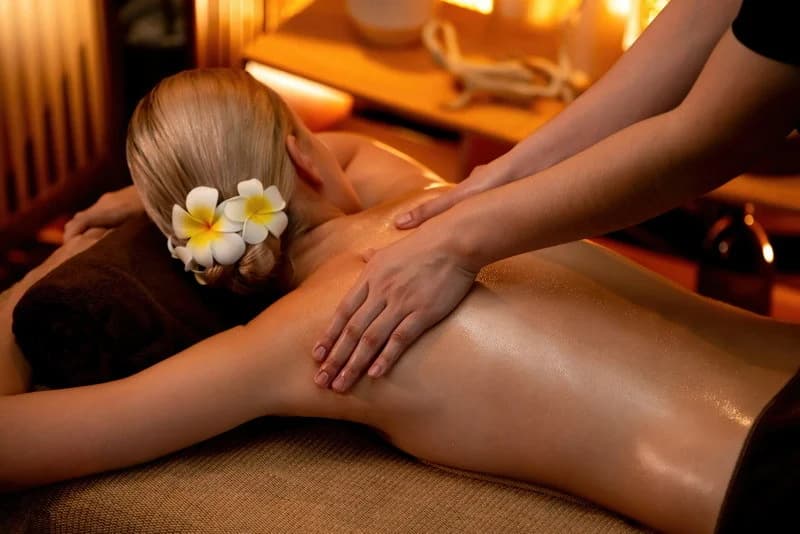
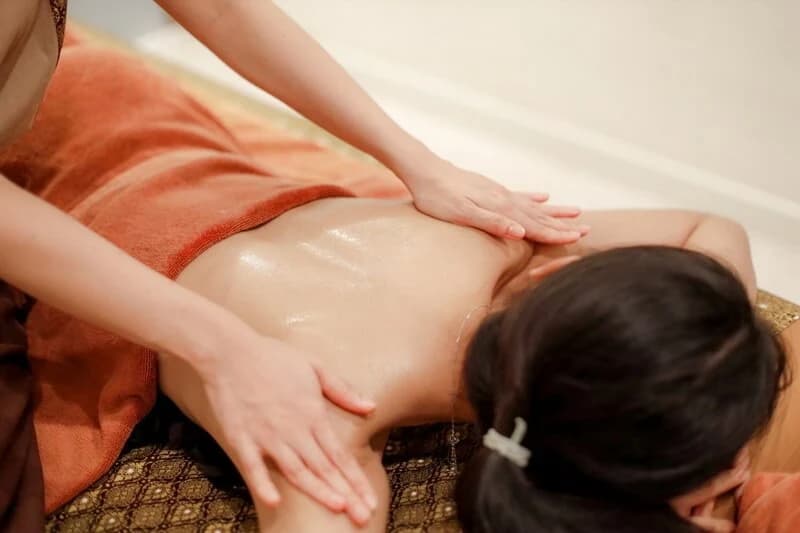
If the sensory experience of oil massage sounds more appealing, compare Aroma Relaxation Massage. You do not have to choose the package with “travel” in its name just because you have flown. Your comfort preferences still matter.
Know when to skip the massage
A long journey can be followed by ordinary tiredness, but some symptoms should not be worked on by a massage therapist. New or unexplained swelling, pain, warmth or redness in a leg warrants prompt medical assessment. Chest pain, difficulty breathing or fainting needs urgent medical help. Do not wait for a spa appointment to see whether these symptoms settle.
The CDC’s travel and blood-clot guidance explains the warning signs and why a history of blood clots or other risk factors should be discussed with a doctor. This is especially relevant when choosing a leg-focused treatment after prolonged travel.
Before any appointment, mention your relevant health history and medication. If a clinician has given you travel or treatment restrictions, follow them and tell the spa. A package intended for travelers is not automatically suitable for every traveler.
Make the consultation easy
You do not need to give a detailed account of your entire journey. A few practical facts are enough to start: how recently you arrived, how you feel now, your preferred pressure and any areas you want avoided. Describe what you want in ordinary language.
For example: “I arrived this afternoon and would like a gentle, quiet session. Please check with me before stretching my legs.” Or: “My shoulders feel tired from carrying a bag, but I do not want strong pressure.” The team can then explain which option best matches that request within the menu.
Ask about the eye compress if you dislike heat or pressure around the face. Ask about fragrance if scents feel overwhelming after travel. Small preferences can affect how pleasant the whole appointment feels, particularly when you are tired and less inclined to ask questions later.
Keep the rest of the day simple
Leave room after the treatment to move at your own pace. A packed itinerary of sightseeing, a long spa package and a late meal may look attractive on paper but be less enjoyable after a tiring journey. Think of the appointment as one part of settling into Phuket, rather than a challenge to fit everything into the first evening.
Choose comfortable clothing and check what the selected treatment requires. If you are unfamiliar with massage etiquette, our first-visit guide explains consultation, clothing and speaking up during the session. You can also contact the spa before booking to clarify the practical details.
Keep expectations realistic. The useful outcome may simply be that you enjoyed a calm period away from travel logistics. You do not need to measure the visit by whether every sign of fatigue disappears or whether you sleep perfectly that night.
Questions about arrival-day appointments
Should I book immediately after landing?
Allow time to complete the airport journey, reach Phuket Town and assess how you feel. Confirm a realistic appointment with the spa rather than using your flight arrival time as the only reference.
Will a massage prevent jet lag?
Do not rely on massage to prevent or treat jet lag. If changing time zones causes significant problems for you, consult appropriate travel-health advice and your healthcare professional.
Is a leg massage suitable if my leg is swollen?
Unexplained swelling after travel should be medically assessed before massage, especially if it is accompanied by pain, warmth or redness. Do not use a spa visit as a test of whether it is serious.
Where can I explore the travel treatment?
Read about Voyage Reset, then contact the team or book a visit with your arrival plans and preferences clearly stated.